How to Choose a Low Noise Generator Set?
Choosing a Low Noise Generator Set is not simply a matter of selecting the lowest decibel number. Real performance depends on load, distance, enclosure design, installation quality, and operating conditions. A set rated at 65 dB(A) may sound very different beside a hospital wall than in an open yard. The testing distance matters, too. Always check whether the manufacturer measured noise at seven metres, one metre, or under ISO 8528-10 conditions.
Acoustics expert Cyril M. Harris described noise as “unwanted sound.” That short definition is useful here. A reliable buying decision must consider both sound pressure and sound character. A deep engine rumble may travel through concrete, while cooling-fan noise can disturb nearby offices. Ask for certified test data, not only a catalogue claim. Review the engine model, alternator, canopy materials, ventilation layout, and exhaust silencer. Small details matter. Loose panels can rattle at night.
Experience also changes the selection process. Site managers should record the expected load, available space, ambient temperature, and nearby sensitive areas. Hospitals, hotels, schools, and residential sites usually need stricter control. Consider fuel consumption and service access as well. A quieter enclosure that blocks maintenance doors may create operational problems later. That trade-off is easy to overlook.
There is no perfect generator set. Even a well-designed Low Noise Generator Set can become louder when overloaded, poorly positioned, or inadequately maintained. This guide compares practical specifications with real installation needs. It also questions common assumptions, because the quietest brochure figure may not deliver the quietest working system.
Define Your Power Requirements and Operating Conditions
How to Choose a Low Noise Generator Set?
Define Your Power Requirements and Operating Conditions
Start with a measured load list, not a guess. Record each appliance’s running watts, starting current, voltage, phase, and duty cycle. Motors, pumps, and compressors may draw three to seven times their running current during startup. Add essential loads separately from optional loads. This prevents oversizing, which can cause inefficient operation, wet stacking, and unnecessary noise. ISO 8528-5 recommends evaluating generator performance against load steps, not only steady demand. A 100 kW set may be unsuitable if the site normally uses only 25 kW.
Operating conditions change the answer. At high altitude or temperatures above 40°C, engines can lose available output. Dust, humidity, salt air, and poor ventilation also affect reliability. The International Energy Agency’s Electricity 2024 report expects global electricity demand to grow by about 4% annually through 2026. That growth may increase backup requirements, but local conditions still matter more than global averages. I have seen projects specify capacity from future expansion alone, then run the generator lightly for years. That is not always wise.
For low-noise operation, identify the nearest bedroom, office, hospital area, or property boundary. Measure the distance and expected nighttime use. The World Health Organization recommends keeping nighttime outdoor noise below 45 dB Lnight in its environmental noise guidelines. Generator sound ratings are often measured under controlled conditions, so walls, wind, and reflections can change results. Ask for sound-pressure data, test distance, and load percentage. Small details matter. A site survey before purchase is worth the hour.
Compare Generator Noise Ratings and Sound-Control Technologies
How to Choose a Low Noise Generator Set?
Noise ratings need careful comparison. Most manufacturers report sound pressure in decibels, often measured at seven meters. Some use sound power ratings instead. These figures are not interchangeable. A lower number usually means quieter operation, but test conditions matter. Check the load, distance, weather, and measurement standard. A set rated at 60 dB(A) may sound very different beside a wall. Reflected noise can make a quiet machine feel surprisingly loud. Ask for readings at 25%, 50%, and 100% load. Generators often become noticeably louder near full capacity. This detail is easy to miss.
Tips: Listen in person when possible, especially during startup and heavy load. Compare the tonal quality, not only the number. A low hum is often less intrusive than a sharp mechanical whine. Ask whether the enclosure uses acoustic foam, lined panels, or airflow baffles. Anti-vibration mounts can reduce noise through floors. Larger silencers and optimized fans may help too. However, tight sound insulation can restrict cooling. That trade-off deserves attention.
For residential areas, hospitals, and work sites, choose a set with verified test data and realistic operating conditions. Review maintenance access as well. Loose panels, worn mounts, or clogged filters can increase noise over time. It would be careless to select the quietest rating alone. The best choice balances sound, fuel use, ventilation, serviceability, and required power. The perfect silent generator does not exist.
Select the Right Fuel Type, Engine, and Enclosure Design
How to Choose a Low Noise Generator Set?
Fuel choice affects both noise and operating cost. Diesel engines usually deliver strong torque and steady performance under heavy loads. However, their combustion sound may be noticeable near residential or commercial areas. Gas engines can run more quietly, especially at moderate loads, but fuel availability must remain reliable. Check the expected load profile, local fuel supply, and maintenance requirements before deciding. A generator that sounds quiet during testing may become louder when working near full capacity.
Engine selection should match the equipment’s real demand, not only its peak rating. An oversized engine may operate inefficiently and produce unnecessary mechanical noise. An undersized unit can struggle, overheat, and require frequent repairs. Measure starting currents from motors, pumps, and compressors. Then allow practical reserve capacity. Do not rely on guesswork.
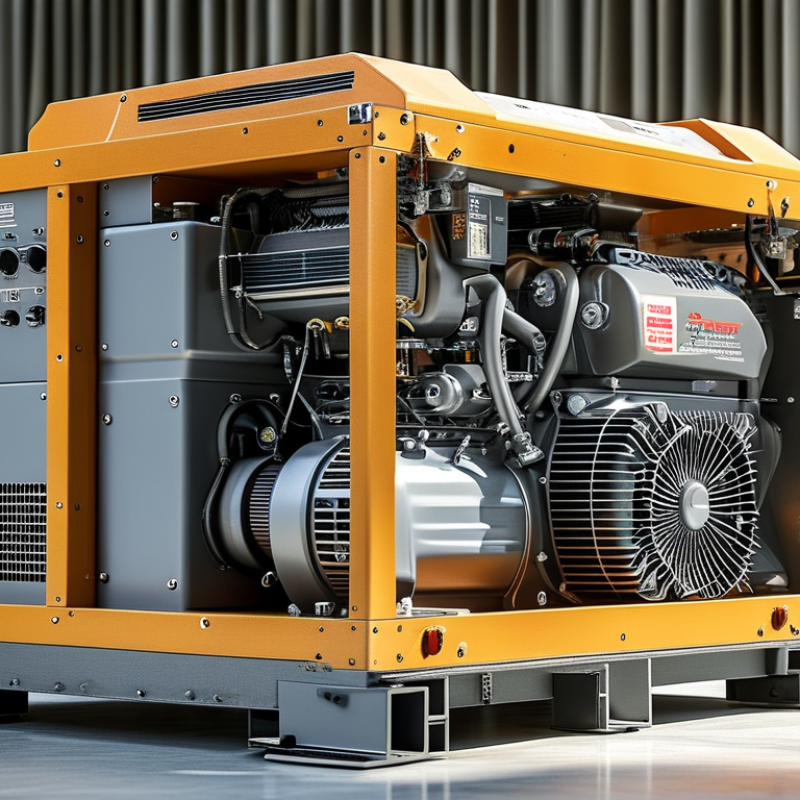
Enclosure design makes a visible difference. Look for acoustic panels, sealed access doors, flexible engine mounts, and a properly sized exhaust silencer. Airflow remains critical. Poor ventilation can trap heat, forcing the cooling fan to run faster and louder. A low-noise set should also include vibration isolation beneath the frame. During site checks, measure sound levels at several positions and distances, preferably using dB(A) readings. One overlooked detail is reflected noise from concrete walls. The quietest design may still sound harsh in a narrow courtyard. Recheck the layout.
How to Choose a Low Noise Generator Set
Representative sound pressure levels at 7 m, measured in dB(A)
Lower engine speed, natural gas operation, and a properly designed acoustic enclosure can reduce generator noise. These planning values represent typical industry ranges; actual results depend on load, cooling airflow, exhaust treatment, installation conditions, and measurement method. Always verify the certified sound level for the specific generator set.
Check Compliance, Maintenance Needs, and Total Ownership Cost
How to Choose a Low Noise Generator Set?
Compliance should be checked before comparing prices. Verify declared sound levels under ISO 8528-10 testing conditions. Local permits may use different limits, measurement distances, or operating hours. The European Environment Agency’s Environmental Noise in Europe 2020 report estimated that over 113 million Europeans face harmful road noise exposure. A generator near homes, hospitals, or offices deserves stricter planning. Ask for measured data, not vague claims like “quiet operation.”
Maintenance affects both noise and reliability. Worn engine mounts, blocked air filters, and loose exhaust panels can increase vibration quickly. The U.S. Department of Energy’s Operations & Maintenance Best Practices Guide reports common energy savings of 5–20% from disciplined maintenance programs. Follow the service schedule, test batteries, inspect coolant, and exercise the set under realistic loads. Short tests can hide fuel-system problems. That happens more often than buyers admit.
Total ownership cost includes fuel, filters, inspections, acoustic enclosures, and downtime. Compare expected annual running hours, fuel consumption at 25%, 50%, and 75% load, and battery replacement intervals. A lower purchase price may become expensive after repeated callouts. The U.S. Energy Information Administration’s Annual Energy Outlook shows continuing fuel-price uncertainty, so sensitivity testing matters. Calculate three scenarios. Perfect forecasts are impossible, and pretending otherwise creates false confidence. Include noise-control maintenance in the budget, because damaged seals can quietly become a compliance problem.