2026 Top Cummins Generator Set for Global Buyers?
Choosing the 2026 top Cummens Generator Set requires more than comparing horsepower and purchase prices. Global buyers need dependable output, verified efficiency, service access, and clear compliance documentation. A generator that performs well in a factory may disappoint on a remote construction site. Small details matter. Fuel quality, ambient temperature, altitude, load variation, and spare-parts availability can change the buying decision.
Cummins has decades of experience supporting hospitals, data centers, mines, marine facilities, and industrial plants. Jennifer Rumsey, Cummins President and CEO, has emphasized, “We must continue innovating to meet customers’ changing power needs.” That message remains relevant for 2026. Buyers increasingly expect lower emissions, smarter monitoring, quieter operation, and stronger resilience during grid failures. However, technology alone cannot solve poor sizing or weak maintenance planning.
This guide examines leading Cummins generator sets for different global applications. It considers standby and prime-power ratings, diesel and alternative-fuel options, controller functions, cooling systems, and local service networks. It also looks beyond attractive brochures. A premium model may not be the best choice when technicians are unavailable or operating conditions are poorly understood. That is the uncomfortable part. Product selection is never purely technical.
The strongest decision combines manufacturer data, independent engineering advice, site measurements, and long-term operating costs. Buyers should request verified performance information and realistic maintenance schedules. They should also question optimistic fuel-saving claims. Reliable power begins with careful judgment.

Cummins Generator Sets: Definition, Role, and 2026 Market Position
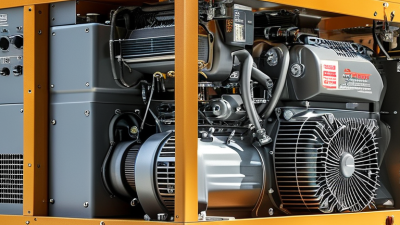
A generator set combines an engine, alternator, control panel, and protective systems in one power unit. It converts fuel energy into electricity when utility power fails or remains unavailable. In practical terms, it can keep a cold-storage room at 4°C, support a hospital ward, or run construction tools. The system’s value depends on more than rated output. Fuel quality, altitude, ambient heat, load patterns, and maintenance access can change performance.
In 2026, global buyers are treating generator sets as resilience equipment, not simple backup machines. Data centers, factories, ports, farms, and remote clinics need stable power during grid interruptions. Hybrid packages, remote monitoring, lower-emission engines, and automatic transfer controls are gaining attention. Yet these features add cost and technical dependence. A touchscreen cannot replace a trained technician. That matters. Power quality matters.
A reliable purchasing process starts with measured demand, not guesswork. Record starting currents, daily running hours, seasonal temperatures, and the largest motor load. Then compare independent test reports, warranty terms, spare-parts availability, and service response times. International buyers should check local electrical codes and emissions requirements before ordering. Field experience shows that an oversized unit may waste fuel during light loads, while an undersized unit can overheat or trip repeatedly. Forecasts for 2026 remain useful, but no market estimate is flawless. Some buyers still prioritize purchase price over lifecycle cost, and that decision can become expensive.
How to Select a Cummins Generator Set for Different Applications
Selecting a generator set starts with the application, not the nameplate. For hospitals, choose a standby system with rapid starting, automatic transfer, and fuel autonomy for critical wards. Data centers need N+1 redundancy, closed-transition transfer, and tested load-bank performance. Uptime Institute’s 2024 survey found that 54% of reported outages cost more than $100,000, so a cheaper installation can become expensive quickly. Specify continuous, prime, or standby power correctly. The wrong rating may fail during long outages.
Construction sites usually need a rugged prime-power set, weather protection, and easy service access. Remote facilities should prioritize fuel storage, filtration, cold-start capability, and local technician support. The IEA’s Electricity 2024 report projects global electricity demand growth of about 3.3% annually from 2024 to 2026. This growth increases pressure on temporary and backup power systems. Check voltage, frequency, altitude, ambient temperature, and load-step behavior before ordering. Small details matter.
Apply ISO 8528 principles and local emissions requirements. Ask for documented factory tests, not broad marketing claims. A practical site survey should record cable lengths, starting currents, noise limits, and weekly load patterns. Real projects rarely match the first spreadsheet. That is worth admitting. A 1,000 kVA set may look adequate, yet pumps and compressors can create severe transient demand. Model those peaks, reserve sensible capacity, and verify fuel quality. Reliable selection is less about maximum size and more about measured operating conditions.
Installation, Fuel Systems, Controls, and Maintenance Requirements
Installation, Fuel Systems, Controls, and Maintenance Requirements
A reliable generator set begins with site engineering, not equipment selection. The International Energy Agency’s Electricity 2024 report expects data-center electricity demand to rise sharply by 2026. That growth increases pressure on standby power systems. Install the set on a level, reinforced foundation. Allow airflow around radiators and provide safe exhaust clearance. Check local noise, emissions, fire, and electrical requirements before delivery. Small oversights can become expensive.
Fuel quality deserves equal attention. Use a dedicated, bunded tank with water separation, filtration, and visible level monitoring. Keep fuel lines short and protected from heat. The generator should support automatic transfer, remote alarms, load testing, and manual emergency operation. NFPA 110 emphasizes dependable emergency power performance, while ISO 8528 defines generator-set performance classifications. Controls still need site-specific testing. Factory settings are not enough.
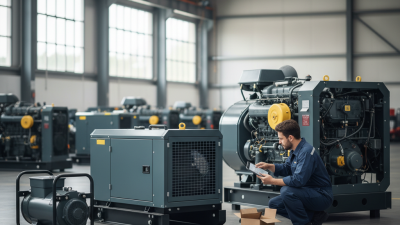
Maintenance should follow operating hours, calendar age, and fuel condition. Inspect batteries, coolant, belts, terminals, filters, and exhaust joints during every scheduled visit. Run monthly tests under meaningful load, not only at idle. Uptime Institute’s Global Data Center Survey has repeatedly identified human error and maintenance gaps among outage contributors. That warning is practical. Records should include temperatures, voltage stability, starting time, fuel samples, and corrective actions. I would also challenge a common assumption: a generator that starts successfully may still fail after transfer or sustained loading. Witness testing should prove the whole system, including switchgear and site procedures.
2026 Top Diesel Generator Set Requirements for Global Buyers
This chart presents a typical fuel-consumption profile for a 500 kW diesel generator operating at 50 Hz. Fuel use normally rises with electrical load, while low-load operation is less efficient. Installation should provide adequate ventilation, exhaust routing, access clearance, grounding, and a stable foundation. Fuel systems require clean, correctly sized storage and supply lines, water separation, spill protection, and sufficient runtime capacity. Controls should support automatic start/stop, alarms, emergency shutdown, remote monitoring, and load-transfer coordination. Oil, coolant, batteries, filters, and load-bank performance should be inspected according to the engine manufacturer’s service schedule and applicable local regulations. Values are engineering planning references; final specifications must be verified for the selected generator configuration.
Global Standards, Emissions Rules, Pricing, and After-Sales Support
Choosing a 2026 generator set requires more than comparing engine size and purchase price.
ISO 8528 performance ratings help buyers assess voltage stability, frequency control, and standby capability. The International Energy Agency reported that global data-centre electricity demand could exceed 1,000 TWh by 2026. This growth increases demand for dependable backup power, especially where grid interruptions affect hospitals, factories, and logistics sites.
Emissions compliance changes by destination. US EPA Tier 4 Final, EU Stage V, and India’s CPCB emission requirements can affect engine selection, exhaust treatment, fuel quality, and installation cost. The World Bank also reports that emerging markets continue facing infrastructure and electricity-access gaps. Therefore, a low quotation may hide shipping, certification, spare-parts, and commissioning expenses. Market reports from MarketsandMarkets indicate continued growth in the global diesel generator sector, but forecast figures vary widely. That uncertainty deserves attention.
Tips:
Request a five-year ownership estimate, not only the equipment price. Check fuel consumption at 50%, 75%, and 100% load. Confirm local emissions approval before signing. Ask for documented response times, technician coverage, and critical spare-part stock. A practical inspection should include coolant hoses, battery terminals, control-panel alarms, and transfer-switch testing. I would not trust a perfect spreadsheet. Site conditions, fuel quality, altitude, and operator habits often change real costs. After-sales support should be written into the contract, with training records and measurable service targets.