Top 10 Generator Set Types You Should Know About?
Generator Sets are essential for many industries and applications. They provide backup power during outages and support machinery in remote locations. Understanding various types of generator sets can help you make informed decisions tailored to your needs.
The world of generator sets can be complex. Each type has unique features, advantages, and disadvantages. Some are more suited for residential use, while others excel in commercial or industrial environments. As we explore the top 10 types, you’ll find details that could refine your choice.
Many people overlook specific generator set characteristics. This oversight can lead to inefficiency or unnecessary expenses. By gaining insight into these types, you'll equip yourself with the knowledge needed to avoid common pitfalls. Proper selection is crucial, and this guide aims to shed light on the intricacies of generator sets.
Understanding the Importance of Generator Sets in Modern Applications
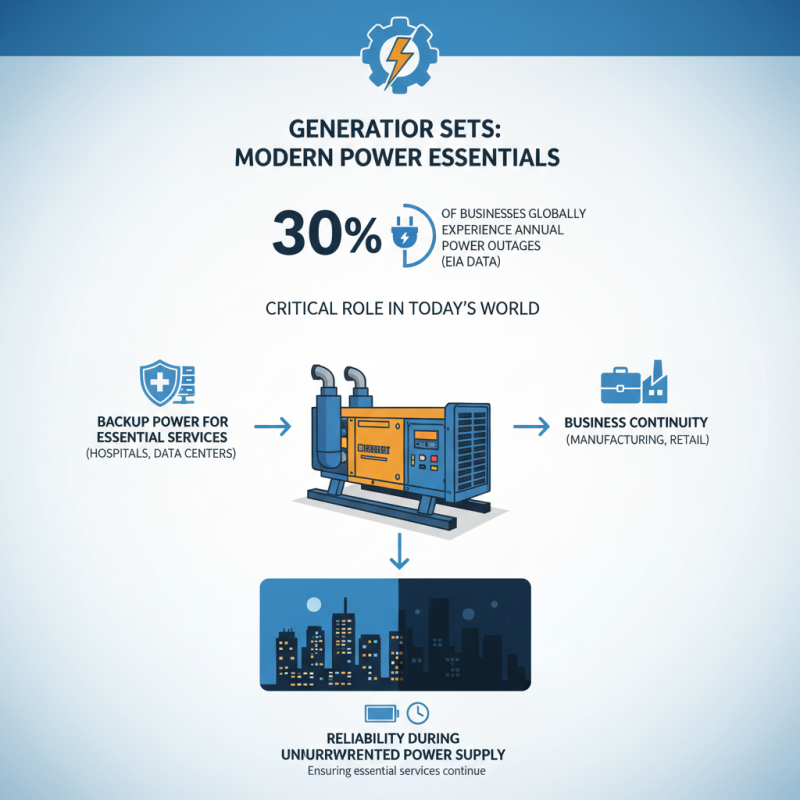
Generator sets, or gensets, play a critical role in today’s electric-driven world. They provide backup power during outages, ensuring that essential services continue without interruption. According to the U.S. Energy Information Administration, nearly 30% of businesses experience power outages annually. This statistic highlights the increasing reliance on gensets for business continuity.
In many sectors, gensets are indispensable. Hospitals, for instance, require a constant power supply. A report by the National Institute of Health mentions that the failure of power systems can lead to serious consequences, including compromised patient care. This underlines the necessity of reliable power sources. Furthermore, construction sites often depend on portable gensets to ensure operations run smoothly, even in remote locations. However, with their increasing use, the need for sustainable solutions has become evident.
Regulations are tightening around emissions from generators. The Environmental Protection Agency states that non-road diesel engines contribute significantly to pollution. Thus, finding eco-friendly alternatives is crucial. Many industries are now exploring hybrid and solar-powered gensets. These options are gaining traction not only for their reduced environmental impact but also for potential cost savings over time.
An Overview of the Different Types of Generator Sets Available
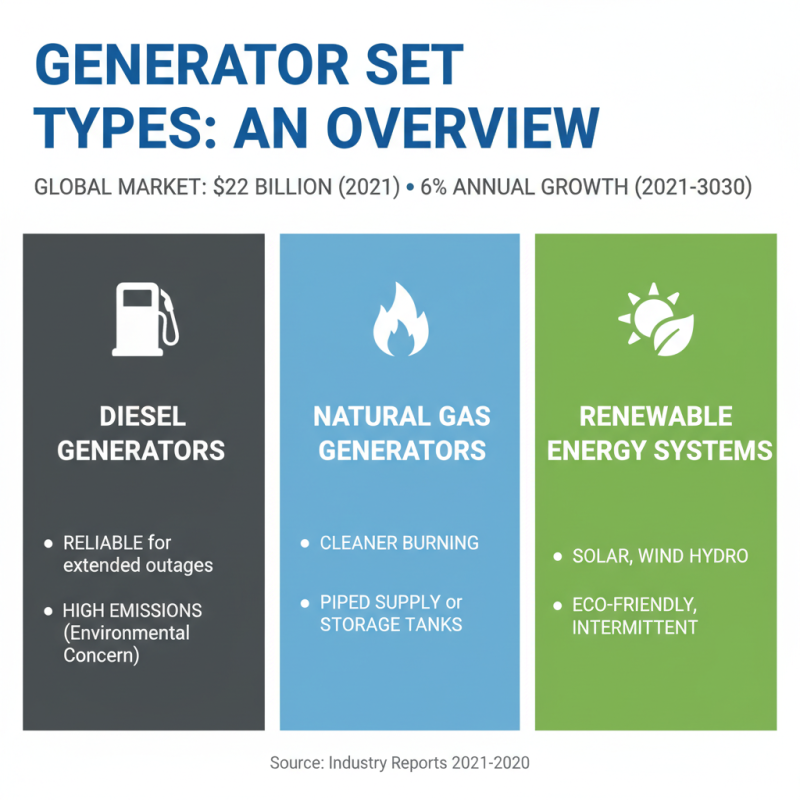
Generator sets come in various types, each serving unique purposes. The global generator market was valued at approximately $22 billion in 2021, and it is projected to grow by around 6% annually until 2030. This reflects the increasing reliance on backup power sources across industries. Among the main types of generator sets are diesel, natural gas, and renewable energy systems. Diesel generators are prevalent due to their reliability during extended outages. However, their emissions raise environmental concerns.
Natural gas generators are gaining traction in commercial sectors. They offer cleaner combustion and lower emissions compared to diesel. As per a recent report, natural gas options saw a 15% increase in installations over the past five years. Meanwhile, renewable generator sets, such as solar and wind combinations, present a cleaner alternative. Yet, their dependency on weather conditions poses challenges for consistent power generation.
Understanding these generator types is crucial for selecting the right solution. Each type has its pros and cons. For instance, while diesel generators can power heavy machinery, they require more maintenance. Conversely, renewable systems have high upfront costs. This complexity necessitates careful analysis of power needs and available resources. Every choice involves trade-offs that should not be overlooked.
Key Factors to Consider When Choosing a Generator Set Type
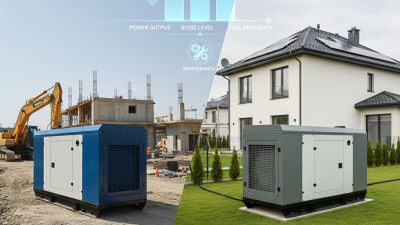
When selecting a generator set type, there are several key factors to consider. One major aspect is the power output required for your specific needs. Reports indicate that residential generators usually offer between 5 kW to 20 kW, while industrial models can exceed 2 MW. Knowing the exact wattage helps ensure you select a generator that meets demand without overloading or underperforming.
Fuel type also plays a critical role in decision-making. Diesel generators are often favored for their efficiency and longer operational life. However, natural gas units can provide lower emissions and easier maintenance. A study from the Energy Information Administration highlights that diesel generators tend to operate at about 80% efficiency, while natural gas generators hover around 90%.
Another factor is portability and size. Smaller units are great for residential use but can struggle under heavy loads. Conversely, larger generator sets may not fit in tight spaces. Considering your environment and intended use is vital. Each generator type has its pros and cons, and understanding these can help avoid future regrets.
Top 10 Generator Set Types You Should Know About
Detailed Analysis of Top-Selling Generator Set Types on the Market
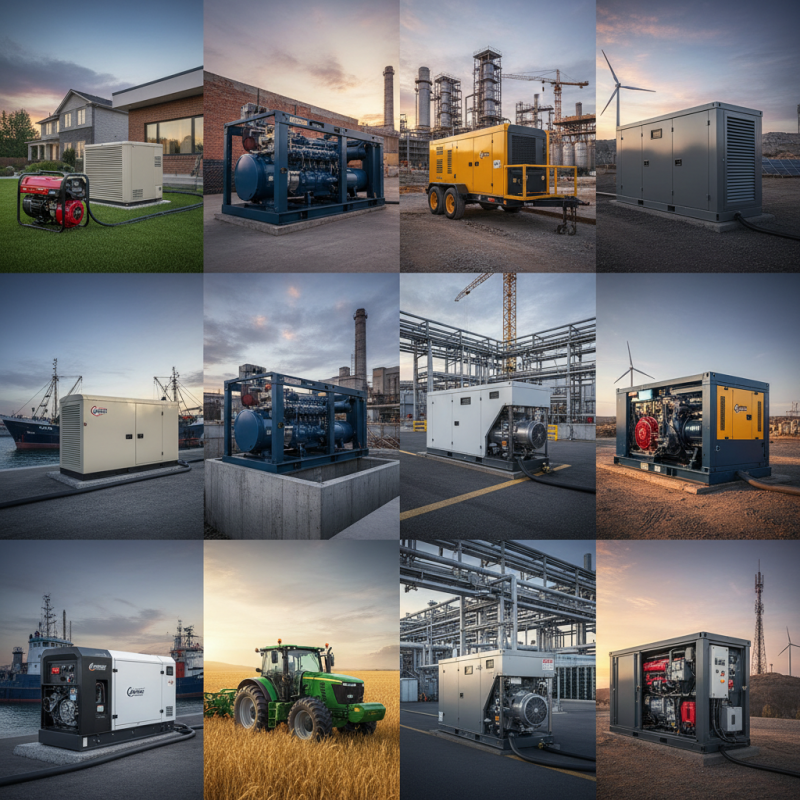
When exploring generator set types, it's essential to consider reliability and performance. The most popular options include portable, standby, and industrial generator sets. Each type serves different needs and environments, making them vital for various applications.
Portable generators are convenient for outdoor activities and small projects. They often feature a lightweight design, allowing easy transportation. However, their power output may not meet high-demand needs.
Standby generators automatically activate during outages, providing seamless power. Their installation can be complex and costly, yet the peace of mind is invaluable.
Industrial generators are built for heavy-duty use. They typically offer large capacity and durability. Despite their efficiency, they require regular maintenance, and installation space can be an issue.
Analyzing these types reveals that market needs evolve. Users seek reliability without overcomplication. Understanding each generator's advantages and drawbacks proves essential for informed choices.
Future Trends in Generator Set Technologies and Their Impact
In recent years, generator set technologies have evolved significantly. The push for sustainability has led to innovations in renewable energy sources. This shift is not just about reducing emissions; it’s about enhancing efficiency. New designs are integrating solar and wind capabilities directly into generator systems. This hybrid approach provides a reliable power source while lessening the dependence on fossil fuels.
Manufacturers are also focusing on smart technologies. Advanced monitoring systems allow for real-time performance tracking. These systems can predict maintenance needs, which can save time and resources. However, the complexity of these technologies may overwhelm some users. Understanding how to effectively utilize these features can be a challenge, requiring ongoing training and adjustment.
Moreover, the landscape of generator sets is moving towards modular systems. These systems can be expanded or reduced based on specific energy needs. While the adaptability of modular generators is appealing, it also raises questions about compatibility and integration. Users must carefully consider their unique requirements to avoid potential pitfalls. As the market continues to change, staying informed about these advancements is crucial.